
Overview
In 30 seconds
52.4% in the 3 March primary: Talarico beat Jasmine Crockett, who had 2.4 million TikTok followers to his 1.6 million.
On 3 November he beat Attorney General Ken Paxton, per the AP, becoming the first Democrat elected to the Senate from Texas since 1988.
He talked economics in biblical language, against billionaires and corruption rather than minorities, in short clips and long conversations such as 2.5 hours with Joe Rogan.
He put money and presence where he was weak: he pledged $25 million to mobilize Black voters and ran Spanish-language ads during soccer broadcasts.
In October, The New York Times found dozens of accounts paid to promote him on TikTok; the campaign denied involvement, and who paid is still unclear.
First steps
- Post speeches and positions regularly on social media
- Accept the first long conversations on shows with unaligned audiences
- Review the video archive and prepare answers with context
If you're new to this, start with the fundamentals, from the vote goal to what the research says. Read the fundamentals
Context and story
The story
In September 2025, James Talarico was a state legislator barely known outside his district, with a big TikTok and no federal office.
In September 2025, James Talarico was a state legislator barely known outside his district, with a big TikTok and no federal office. The primary favorite was Jasmine Crockett, a Dallas congresswoman with more followers and more views. Talarico won the primary by betting on persuasion, money and national attention, and in November he beat Ken Paxton in a state Trump had carried by 13 to 14 points.
- 52.4%
- in the 3 March Democratic primary, against Jasmine Crockettofficial Source
- 6 in 10
- Hispanic voters in the Senate race backed Talarico (AP Voter Poll, 4 Nov 2026)study Source
- 30,000+
- volunteers recruited statewide, according to Talarico in March 2026campaign figure Source
- $25M
- pledged to mobilize Black voters, a Texas record according to the campaigncampaign figure Source
From the statehouse floor to the Senate
- Nov 2018Talarico flips a Republican-held Texas House seat: by about 1.8 points in the special election and 3.4 in the regular one. During the campaign he walked the length of the district, about 25 miles, in one day.
- 2023–2025Clips of him on the House floor, such as his attack on a bill requiring the Ten Commandments in classrooms, which he called “un-Christian”, spread on TikTok.
- Jul 20252.5 hours on Joe Rogan's podcast; Rogan tells him to run for president. In August he joins the Texas House Democrats' quorum break over the new congressional map; Paxton asks courts to declare their seats vacant.
- 9 Sep 2025Launches his Senate campaign. Raises more than $1.2 million in the first week, according to the AP.
- Dec 2025Records a Jubilee Surrounded episode with undecided Texas voters. Colin Allred drops out and Jasmine Crockett enters the race.
- Feb 2026A TikTok creator who had supported him says he called Allred a “mediocre Black man”; he calls it a mischaracterization of a private conversation. On 16 February CBS blocks the Colbert interview; it goes to YouTube and the campaign says it raised $2.5 million in 24 hours.
- 3 Mar 2026Wins the primary with 52.4%. In counties at least 60% Latino he takes about 63% to Crockett's 34%, according to AP data cited by the WSJ.
- 26 May 2026Paxton beats Cornyn in the Republican runoff with 63.8%. Talarico's campaign says it raised more than $3 million in the next 24 hours, its best single day.
- Jul–Sep 2026Houston town hall with Black voters and a $25 million pledge; visits to Black churches; on 29 September, a multimillion-dollar buy in Black media.
- Oct–Nov 2026The NYT finds paid accounts promoting him on TikTok; the flu keeps him out of public view for more than a week (1 to 9 October, per the AP) and false rumors spread. Final rally with Hinojosa on 31 October; on 3 November he beats Paxton.
Three layers
The campaign combined three pieces that rarely come together in Democratic campaigns in Texas: a candidate who produces his own content, a lot of money spent on niche media, and a volunteer field operation.
- The candidate as the channelTikTok, floor speeches, long podcasts, TV shows and YouTube. Most of the material that circulated came out of his own mouth.
- Paid media and partnersSpanish-language ads during soccer and the World Cup, a multimillion-dollar buy across Black radio, newspapers and platforms, creators such as Carlos Eduardo Espina, and local allies such as Bobby Pulido, Rodney Ellis and Christian Menefee. More than $134 million raised by the end of September, according to the campaign.
- The fieldMore than 30,000 volunteers according to the campaign, weekend block walks through Mobilize, out-of-state volunteers, and independent networks such as Hope Springs from Field PAC.
What isn't known. This text was closed on 4 November 2026, one day after the election.
The AP called the race for Talarico, but the final margin is not yet official and is not included here. No one from the campaign has published a post-mortem, and no data isolates the effect of TikTok or podcasts on the vote: in the primary, 47% of likely Democratic voters said they had seen Crockett on social media against 35% for Talarico (Texas Public Opinion Research), and she lost, which shows reach alone does not decide, but does not prove what did. Money mattered too: Talarico outraised both Crockett and Cornyn, and a pro-Talarico super PAC attacked Crockett on TV. Volunteer numbers, 24-hour fundraising totals and the $134 million total come from the campaign. The NYT report on paid TikTok accounts was read only through third-party summaries (The Western Journal and Hot Air; the Daily Signal page did not load); the original could not be opened, and its figures appear as those summaries report them. The primary result appears as 53.1% in the election-night count and 52.4% in the count recorded by Wikipedia. Follower numbers vary by date and source.
The rest of the win
The digital channel was only one part.
The digital channel was only one part. This box was written on 4 November 2026, one day after the election: there is no post-mortem yet from the people who ran the campaign, no official margins and no studies of what mattered. It separates what is documented from what is interpretation, and it will be revised as the people who ran the campaign publish their accounts.
- A national waveOn the same night, Democrats flipped Republican-held Senate seats in several other states and won back ground with groups that had shifted toward Trump in 2024, according to the AP. Part of the Texas win may come from that national environment rather than the method; for now there is no way to separate the two. AP Voter Poll, 4 Nov 2026
- The Hispanic vote came backAbout 6 in 10 Hispanic voters in the race backed Talarico and about 3 in 10 Paxton; in 2024, this group had split more evenly between Trump and Harris. AP Voter Poll, 4 Nov 2026
- A ticket that closed togetherGina Hinojosa, the candidate for governor, also won; the two shared adviser Chuck Rocha and a final rally in Houston on 31 October. Latin Times, 2 Nov 2026
- The opponentPaxton came out of a bruising primary against Cornyn and was criticized on his own side for the pace of his campaign and a July trip to Europe. How much this weighed on the result is unknown. Houston Defender, 3 Sep 2026
- More money on the other sideRepublican groups spent about $250 million for Paxton, more than five times what Democratic groups gave Talarico. Talarico won anyway, but he also raised more than $134 million by the end of September, according to the campaign. The New Republic, 23 Oct 2026
- Field outside the campaignIndependent networks such as Hope Springs from Field PAC canvassed in Texas and passed their data to VAN. How much this added to the result has not been measured. Daily Kos, 1 May 2026
- What is not knownThe final margin, the Black and youth vote in Texas, how many doors the campaign knocked, how much it spent on creators, and who funded the paid TikTok accounts. The playbook will be updated with the accounts of the people who ran the campaign.
The terrain
What was specific to Texas in 2026 and may be missing elsewhere.
What was specific to Texas in 2026 and may be missing elsewhere.
Platforms
- TikTok
- Where he became known: about 1.4 million followers in October 2025, 1.6 million in February 2026 and close to 2 million by November. His most-watched video, a speech of about 90 seconds, passed 15 million views. Paxton had a few thousand followers.
- Podcasts and long-form shows
- 2.5 hours with Joe Rogan (July 2025), an episode of Jubilee's Surrounded with undecided voters (December 2025), Colbert (February 2026) and Raging Moderates live at SXSW (March 2026). Each long conversation produced short clips.
- YouTube
- When CBS kept the Stephen Colbert interview off the air, the show posted it on YouTube: nearly 8 million views in three days, according to the AP.
- Spanish-language TV and creators
- Spanish-language ads during soccer broadcasts and the Premio Lo Nuestro awards in the primary, about $800,000 in World Cup advertising, and a partnership with creator Carlos Eduardo Espina.
- Black media
- Gospel, talk, hip-hop, R&B and news radio, historic Black newspapers and digital platforms, in a multimillion-dollar ad buy in the fall.
- Mobilize and canvassing
- Block walks every weekend through Election Day, with walk lists, turf maps, literature and a script at the staging location, in five priority regions. Out-of-state volunteers signed up through a Mobilize event.
- Churches and community events
- Sunday services at Black churches in Houston, with Congressman Christian Menefee, and the Prairie View A&M vs Grambling State football game, where he got a standing ovation.
Local conditions
- No Democrat had been elected to the Senate from Texas since 1988 or won statewide office in more than 30 years; Trump carried the state by about 13 to 14 points in 2024.
- A state of 254 counties and 19 media markets: statewide TV is expensive, and attention on social media costs less.
- A low-turnout state. In the primary, Crockett bet on expanding the electorate with new voters; Talarico bet on persuasion, including in rural and Republican areas.
- Federal pressure on broadcast TV: CBS cited the equal-time rule for candidates when it blocked the Colbert interview, and the FCC opened an inquiry into his appearance on The View.
- Opaque payments to creators: FEC rules do not treat TV ads and paid social media endorsements the same way; Texas and California passed disclosure rules for paid political posts.
- Lopsided outside money: Republican groups spent about $250 million for Paxton, more than five times what Democratic groups gave Talarico (The New Republic, 23 Oct 2026).
- The opponent came out of a costly primary: Paxton beat Senator John Cornyn in the 26 May runoff with 63.8%.
- Latino voters who had split between Trump and Harris in 2024, and a Black base demanding presence after a primary in which Crockett won about 61% of the Black vote.
Method and evidence
The method
Talarico combined a populist economic message, delivered in the language of faith and without aggression, with a constant presence in long…
Talarico combined a populist economic message, delivered in the language of faith and without aggression, with a constant presence in long formats, and spent money and time where the Democratic coalition was fragile. Researcher Gil Sharon, writing for the LSE, called the style “nice populism”.
Three fronts
- Top versus bottom
- Billionaires, corruption and super PACs as the target, never immigrants or minorities. The Bible as a language to defend public schools, health care and wages in a culturally conservative state.
- Long conversation, short clip
- Accept long interviews on shows with big, mostly non-Democratic audiences, such as Rogan's, and let the excerpts travel on TikTok. The long conversation shows who the person is; the clip carries that to people who did not listen to the two hours.
- Show up where you are weak
- After losing the Black vote in the primary, the campaign went to town halls with hard questions, to churches and to community events, and paid for Black and Latino media with its own message, instead of waiting for the final weeks to translate ads.
The campaign cycle
A reading of the documented record, not a campaign manual: the same cycle repeated from the primary to the general election.
- Speak in long form Floor speech, podcast, interview show, town hall. The longer, the more material.
- Clip Excerpts with a clear moral idea and an economic target become one- to two-minute TikTok videos.
- Turn attention into money and sign-ups Attention spikes, like the Colbert episode or Paxton's win, became donation asks: $2.5 million and more than $3 million in 24 hours, according to the campaign.
- Go where support is fragile Rural areas, South Texas, Black churches, events at historically Black colleges, always with local allies alongside.
- Pay for niche media Spanish during soccer, gospel and hip-hop radio, Black newspapers, with messages of their own: Black maternal health, cost of living, fighting corruption.
- Put people on the street Block walks every weekend, with materials ready at the staging location and out-of-state volunteers paired with locals.
- Respond fast Correct what was distorted (the Allred episode), fill the space when TV backs off (the Colbert episode) and knock down rumors (the flu absence).
And again.
Who did it
This playbook was written one day after the election, and no one who ran the campaign has yet published a post-mortem.
This playbook was written one day after the election, and no one who ran the campaign has yet published a post-mortem. It rests on interviews and statements the candidate and his advisers gave during the campaign, checked against reporting, polls and results.
James Talarico
Candidate; Austin state representative since 2018, former teacher with a divinity degree from a Presbyterian seminary
Produced most of the content that circulated himself: floor speeches, political sermons and long interviews on podcasts and shows.
SourcesJT Ennis
Campaign press secretary and spokesperson
Described social media as a new model for reaching voters who were drifting away from the Democratic Party.
SourcesChuck Rocha
Senior adviser; founder of Solidarity Strategies
Explained the bet on Latino voters with a faith, family and jobs message and Spanish-language ads during soccer; also advised Gina Hinojosa, the Democratic candidate for governor.
SourcesCarlos Eduardo Espina
Spanish-language creator with more than 14 million TikTok followers
Joined campaign stops and appeared in Spanish-language ads during the primary; also worked with the Hinojosa campaign.
SourcesBobby Pulido
Tejano singer and Democratic candidate in Texas's 15th district
Campaigned alongside Talarico in South Texas during the primary; in November, he won his own race.
SourcesRodney Ellis and Christian Menefee
Harris County commissioner and Houston congressman
Black elected officials who vouched for the campaign in Houston: Ellis, who backed Crockett in the primary, was among the first Black leaders to speak out for Talarico; Menefee took him to Black churches, and one congregant said that gave the visit credibility.
SourcesHope Springs from Field PAC
Independent canvassing network, with no formal tie to the campaign
Ran Saturday canvasses across Texas and fed the data into VAN, the database Democratic candidates use after the primary.
Sources
In their own words
Participants' statementsWhat the candidate, advisers and allies said during the campaign.
What the candidate, advisers and allies said during the campaign. Paraphrased unless otherwise noted.
Said in September 2025 that going on Joe Rogan's podcast showed how he would campaign: “Cookie-cutter campaigns are not going to cut it.”
James Talarico, candidate, Axios Austin, How Texas' Talarico is leveraging social media, 15 Oct 2025
Social media is a new model for reaching voters who are moving away from the Democratic Party.
JT Ennis, press secretary, Axios Austin, 15 Oct 2025
On the interview CBS kept off the air: he called it “the most dangerous kind of cancel culture” and said his was a campaign of, by and for the people.
James Talarico, candidate, KERA News, 18 Feb 2026
Denied preaching a progressive Christianity: “I'm preaching a biblical Christianity.” He cited Matthew 25, on what is done for the least of these.
James Talarico, candidate, Spectrum News 1, SXSW, 16 Mar 2026
5 more quotes
The Latino message spoke to aspirational values; voters did not know Talarico four months earlier, so the campaign had to introduce him. Latinos “are an aspirational people”.
Chuck Rocha, senior adviser, The Wall Street Journal, via Latin Times, 4 Mar 2026
Predicted a strong Latino swing toward Democrats: “There's a Hispanic hurricane coming.” CBS reported that Democrats invested earlier in Latino voters this cycle; campaigns used to wait until the final weeks to translate their ads.
Chuck Rocha, senior adviser, CBS News, 2 Nov 2026
At a Houston town hall where Black voters questioned the campaign's outreach and its Black staffing, he pledged $25 million to mobilize Black voters: “I'm going to keep showing up.”
James Talarico, candidate, Houston Public Media, via KERA, Jul 2026
“I like Talarico's message. It's grounded in faith.”
Rodney Ellis, Harris County commissioner, The New Republic, 23 Oct 2026
At the final rally with Gina Hinojosa, in Houston: “I have a legislative record. Ken Paxton has a criminal record.”
James Talarico, candidate, Latin Times, 2 Nov 2026
Materials and exercises
Moves to take with you
Pick the moves that fit your context and add them to your kit.
Pick the moves that fit your context and add them to your kit.
-
Long conversation, cut into clips
Accept long interviews on shows with big, unaligned audiences and cut the best excerpts into one- to two-minute videos. In Texas, 2.5 hours with Joe Rogan and the blocked Colbert interview drew millions of views and, in the Colbert case, $2.5 million in 24 hours, according to the campaign.
How to set it up, step by step
- Works when
- Works with a candidate who speaks well off the cuff, holds clear positions and can take hostile questions.
- Don't use when
- Does not work with a candidate who needs a script, or without preparing for the archive: every recorded hour becomes material for the opponent.
- Week −40 List the long-form shows undecided voters listen to, not the activists' shows
- Week −38 Review the candidate's video archive and prepare answers with context
- Week −36 Accept the first invitation and go without demanding agreed questions
- Week −35 Cut three to five excerpts of one to two minutes, one idea each
- Week −35 Post the clips with a link to donate or join a block walk
- Week −20 Repeat monthly, rotating podcast, show and open town hall
Team
- Candidate: talks, takes hard questions and does not run from the archive
- Editing: cuts and captions excerpts the same day
- Media booking: looks for shows with unaligned audiences
What to measure: Block-walk sign-ups and donations made through the clips' links in the 48 hours after each long interview.
Risks to watch: Anything said over two hours can be clipped against the candidate: review the archive first, answer with context the same day and never deny what is on tape.
-
Economics in the language of values
An economic message against the people on top (billionaires, corruption, super PACs), spoken in the audience's moral language, with no attacks on groups of voters. In Texas, Talarico used the Bible to defend schools, health care and wages, and researcher Gil Sharon called the style “nice populism”.
How to set it up, step by step
- Works when
- Works when the candidate has lived those values in public for years and the audience recognizes the language.
- Don't use when
- Does not work as a costume: a faith or value used only for the campaign sounds false and becomes a line of attack.
- Week −40 Listen in groups and town halls for the moral words your audience uses
- Week −36 Pick two or three concrete economic issues and who is on top in each
- Week −36 Write down the rule: no attacks on immigrants or any other minority
- Week −30 Test the message in short speeches and see what volunteers repeat at doors
- Week −20 Train spokespeople and volunteers to say the same thing in their own words
- Week −2 Close the campaign on the same target, without changing tone
Team
- Candidate and writers: set the target and the words
- Listening: notes the moral words the audience uses
- Training: prepares volunteers to repeat the message in their own words
What to measure: Logged doorstep conversations per week in which an undecided voter agrees with the economic target (the people on top).
Risks to watch: Religious language can push away secular voters and religious minorities: say where your values come from without imposing faith, and never use religion against anyone.
-
Show up where support is fragile
Go with local allies to communities where the campaign is weak, take criticism in public and come back, with money put into those communities' media. In Texas, after losing the Black vote in the primary, Talarico held a tough town hall in Houston, visited Black churches and pledged $25 million; the TSU poll gave him 87% of the Black vote in September.
How to set it up, step by step
- Works when
- Works when there are credible local allies and the campaign is willing to hear criticism without getting defensive.
- Don't use when
- Does not work as a photo op: churchgoers in Houston called the visits a quick stop when there was no follow-up.
- Week −20 Map where the campaign lost or is weak, using primary data
- Week −18 Invite credible local allies to come along
- Week −16 Hold an open town hall with unscreened questions and listen to the end
- Week −15 Announce a concrete commitment, with an amount and a deadline
- Week −14 Hire people and firms from those communities for the campaign
- Week −10 Come back: services, events and community restaurants, always with allies
- Week −5 Buy those communities' media with messages of their own
Team
- Candidate: goes, listens and comes back
- Local allies: open doors and lend credibility
- Community lead: someone from the community, with decision-making power
What to measure: Events held in each weak community and volunteers from those communities signed up after each event.
Risks to watch: Big promises without community members on staff turn into frustration: hire early, account for the money pledged and do not disappear after the election.
-
Ads inside the culture people already watch
Buy media during each community's biggest audience moments, in its language, with messages of their own and months before the election. In Texas, the campaign ran Spanish-language ads during soccer, the Premio Lo Nuestro awards and the World Cup (about $800,000) and, for Black voters, on gospel and hip-hop radio and in Black newspapers; the AP Voter Poll gave him about 6 in 10 Hispanic voters.
How to set it up, step by step
- Works when
- Works with a budget for paid media and messages written for each community, not rushed translations.
- Don't use when
- Does not work with ads translated in the last week, or where the law limits paid political advertising or bans ads outside the official campaign period.
- Week −30 List the events and outlets each community follows
- Week −26 Write messages of their own with people from the community
- Week −24 Book space in the big events well ahead
- Week −20 Bring in creators and artists from the community, disclosing any payment
- Week −12 Run the ads with a link to sign up and to vote
- Week −3 Step up on community radio and outlets in the last three weeks
Team
- Community strategy: decides where, in which language and with whom
- Creative: writes with people from the community, does not translate
- Media buying: books early and states who pays
What to measure: People in each community who made a voting plan or signed up to volunteer through the ads' links and numbers.
Risks to watch: Unlabeled paid media, or secretly paid creators, destroys trust: say who paid for every piece and follow local disclosure rules.
-
Creators with mandatory disclosure
Work with creators through invitations, access and information, and require that any payment, from the campaign or from allies, be disclosed in the post itself. In Texas, the NYT reported dozens of accounts paid $4 per 1,000 views to promote Talarico, through a job posting from a group called Frontier Media, which claimed the payments; the campaign denied involvement, and who funded it was not clear.
How to set it up, step by step
- Works when
- Works when the campaign wants creators on its side and has little to lose from transparency.
- Don't use when
- Does not work if the campaign lets allies pay creators in secret: the scandal lands on the candidate, even without coordination.
- Week −30 Write a public rule: no hidden payments to creators
- Week −28 Open a log of every creator the campaign talks to
- Week −24 Offer access, briefings and events, not money per post
- Week −16 Publicly ask allied groups to disclose whom they pay
- Week −6 Answer any story the same day, with the log in hand
Team
- Creator relations: invites, briefs and keeps the log
- Legal: checks disclosure rules and rules on coordination with outside groups
- Press: answers with data when a story breaks
What to measure: Creators in the log who confirmed the disclosure rule in writing, as a share of the creators the campaign works with.
Risks to watch: Under US law, the campaign cannot coordinate with super PACs and other outside groups: ask for disclosure in public, never agree content in private with whoever pays.
Toolkit
What the campaign built, as far as it is documented, and what you can copy in a race with a candidate who speaks well and a base that does…
What the campaign built, as far as it is documented, and what you can copy in a race with a candidate who speaks well and a base that does not trust him yet. Where something is the site's suggestion, it says so.
Choose your country to see the equivalent tools and the legal points to check.
Operations
Little is known about the internal team: there is no public org chart and no post-mortem. What is known comes from interviews, job postings and reporting.
Minimum team
- Candidate as content source
- Speaks well off the cuff, accepts long and hostile formats and records speeches that yield clips. Without this, the rest of the method does not work.
- Press and rapid response
- A spokesperson (here, JT Ennis) who answers distortions the same day and holds the same line in the press and on social media.
- Creative direction and digital engagement
- The digital engagement job posted in June 2026 (titled deputy director, described as coordinator in the text) sat on the communications team, reported to the creative director, and handled amplifying the message and relationships with outside partners.
- Latino voter strategy
- An adviser with experience of Latino voters (Chuck Rocha, of Solidarity Strategies) to decide where to advertise, in which language and with whom.
- Black media and operatives
- The campaign brought on Black political operatives and Black communications firms, according to The New Republic. At town halls, voters pressed for more Black staff.
- Field
- Regional coordination in five priority regions (San Antonio, the Rio Grande Valley, Houston, Dallas–Fort Worth and Austin), with weekly block walks through Mobilize.
Weekly and daily rhythm
- Every weekendBlock walks in each region, through Election Day.
- Some Sunday morningsServices at Black churches, staying to the end, with a local elected official alongside.
- After every attention spikeA donation ask within 24 hours, as after the Colbert episode and Paxton's win.
- Final stretch of the primaryA statewide tour during the early-voting weeks.
- Last week of the general electionA final joint rally with Gina Hinojosa in Houston on 31 October, plus stops in Harris County with a machinists' union and University of Houston students.
There is no public record of the posting schedule or of internal meetings. The items above come from reporting and the campaign's volunteer page.
Plan B
- When broadcast TV backed off, the video went to YouTube and became a donation ask.
- A candidate who produces his own content depends on his health: the flu absence opened space for rumors. Suggestion: have spokespeople and allies ready to appear on video in his place.
- Block walks with materials ready at the staging location: list, map, literature, script and water, for people who arrive untrained.
- Independent canvassing networks that feed data into VAN help the nominee after the primary, even without coordination with the campaign.
- Suggestion: an internal log of every creator the campaign talks to, paid or not, so it can answer quickly if the press asks.
Technology
Ordinary tools. What mattered was a candidate who talked a lot and a campaign with money to buy niche media.
- TikTokFree
Clips of speeches and interviews, one to two minutes long, with one moral idea and one economic target.
- Podcasts, shows and YouTubeFree
Long formats with big, mostly non-Democratic audiences; YouTube keeps the full version when TV backs off.
- MobilizeFree to low cost
Canvassing events by region and date, including for out-of-state volunteers.
- Sign-up form with SMSPer-SMS cost
Name, email, ZIP code and optional mobile number; giving the number means agreeing to campaign texts, including donation asks.
- Online donationsPlatform fees
Asks within 24 hours of each attention spike; more than $134 million raised by the end of September, with 97% of third-quarter donations under $100, according to the campaign.
- Spanish-language and Black media adsSeveral million dollars
TV during soccer and the World Cup (about $800,000), gospel, talk, hip-hop and R&B radio, Black newspapers and digital platforms.
- VANPaid, through the party
The Democrats' voter database; independent networks such as Hope Springs from Field PAC fed it with what they heard at the doors.
- Exposure pollingPaid
Asking voters where they saw each candidate, as Texas Public Opinion Research did in the primary, measures reach, not votes.
Suggestion: columns for a creator log
Date · Creator and platform · Followers · Type of relationship (invitation, access, payment) · Amount paid and by whom · Disclosure in the post (yes/no) · Agreed message · Link to the post · Sign-ups or donations from the link · Campaign contact
The campaign says it raised more than $134 million by the end of September but has not published how it spent it. On the Republican side, outside groups spent about $250 million for Paxton (The New Republic), and Elon Musk gave $158 million to the Senate Leadership Fund, which gave $158 million to Texas PAC, the largest group backing Paxton (AP). The creator log above is the site's suggestion, not something the campaign published.
Communication
The tone was calm and moral, with sharp criticism of Paxton and of billionaires and no attacks on groups of voters. The formula below is the site's reading of the documented clips and speeches.
The formula for a clip
- Open with a value A moral or biblical line a conservative voter recognizes: care for the least of these, do not lie, do not exploit.
- Tie it to a concrete fact A bill, a cut, a price: public schools, closed maternity wards, cost of living.
- Name who is on top Billionaires, corruption, super PACs. Never immigrants or another minority.
- Stay calm No shouting and no sneering at voters on the other side. The target is the system, not the neighbor.
- Close with an invitation Donate, join a block walk, vote. The site's suggestion: one action per video.
Messaging rules
- Speak the audience's moral language, not just the activists'. His faith was long-standing and public; it does not work as a costume.
- Choose the economic target: the people on top. Attacking minorities hands the debate to the opponent.
- Accept long and hostile formats: two hours with a host who voted the other way shows more than an ad.
- Expect the archive: everything already said on video will be clipped by the opponent. Answer with context, without disowning your values.
- Correct distortions the same day, acknowledging how the line may have sounded, as in the Allred episode.
- Pay for media in the audience's language and culture months ahead, instead of translating ads in the last week.
- Do not pay creators in secret, and ask whoever pays to identify themselves. Disclosure is required in Texas and California.
Sample short-video script
[Close-up, no music] Last Sunday at church, the pastor read Matthew 25: whatever you did for the least of these, you did for me. On Monday, the state closed another rural maternity ward. It was not a lack of money: it was a choice. Meanwhile, the big donors got another tax cut. There is nothing Christian about that. It is about who is on top and who is at the bottom. If you think a mother in a small town is worth as much as a billionaire, join this Saturday's block walk. The link is below.
Take it to your context
What works anywhere and what depended on Texas in 2026.
What works anywhere and what depended on Texas in 2026.
Works anywhere
- Talk economics in the value language of the audience you need to persuade.
- Target the people on top, never a group of voters.
- Accept long conversations on shows with unaligned audiences and cut them into short videos.
- Turn every attention spike into a concrete ask within 24 hours.
- Go with local allies where the campaign is weak, take criticism in public and come back.
- Pay for media in each community's language and culture months before the election.
- Log every creator you talk to and require disclosure of any payment.
- Prepare answers to your own video archive before the opponent uses it.
Depends on context
- TikTok as the main channel
- Where your audience is on Instagram, YouTube or WhatsApp, the logic is the same: a short clip from a long conversation. Check local law on online campaign ads and each platform's rules.
- Christian language in a religious state
- It works where faith is a shared language and the candidate has lived it in public for years. In more secular societies, the same structure works with another shared moral reference: work, family, fairness. Using a faith you do not practice sounds false.
- Huge American podcasts
- Elsewhere, the equivalents may be comedy or football podcasts or streaming channels. Look for the long formats undecided voters consume, not the activists' ones.
- Super PACs and unlimited money
- Where there are spending limits and public financing, paid niche media has to fit the budget; canvassing and local allies weigh more.
- Equal-time rule on TV
- Where TV must balance candidates, or where there are no popular interview shows, your own channels and YouTube do that job.
- Soccer, the World Cup and Premio Lo Nuestro
- Every community has its big audience moments: cup finals, telenovelas, festivals. Advertising there, in the community's language, is the part that travels.
Practice
ExerciseRehearse with the case's missions and situations.
Decide as the leadership
Six moments from the 2025–2026 campaign. Choose what you would do and see what happened.
5-phase plan
Talarico's sequence, from the first clip to Election Day, as a checklist.
Talarico's sequence, from the first clip to Election Day, as a checklist. Your progress is saved in this browser.
Before launch (months ahead)
Primary
After the primary
General election
Election Day and after
Check yourself
ExerciseFive questions, each explained after you answer.
Five questions, each explained after you answer.
Limits and sources
Rules
The rules below protect the campaign's credibility.
The rules below protect the campaign's credibility.
- Disclose who pays creators
- No hidden payments. Texas and California passed rules requiring creators to disclose when a campaign pays for a political post; elsewhere, check election law and each platform's rules.
- No coordination with outside groups
- In the US, a campaign may not coordinate content with super PACs. Asking publicly for transparency is allowed; agreeing messages in private is not.
- Labeled ads
- Every ad says who paid for it, on TV, radio, in print and online, as local law requires.
- Consent for messages
- Text only people who gave you their number and agreed. Always say how to opt out.
- Real people only
- No fake profiles, no undisclosed paid accounts, no coordinated reporting against critical creators, no rumor campaigns about the opponent.
- Faith without imposition
- Talk about your own values without telling anyone what to believe, and never use religion against a group.
- Equal time on TV
- Rules on balancing candidates on broadcast TV vary by country and can take a candidate off the air. Have your own channels ready.
- Debunk with evidence
- Against rumors, show verifiable evidence and never answer with another rumor. In the flu episode, the NYT reviewed time-stamped images showing him at home.
- Local law
- Donation and spending limits, paid advertising and permitted periods vary by country. Check with a lawyer before you start.
Limits
What this method doesn't do, and when it fails.
- Reach is not votes
- Crockett had more followers, more views and more exposure among primary voters (47% against 35%) and lost. And no data shows how much Talarico's TikTok contributed to his win.
- No post-mortem yet
- One day after the election, it is not known what the campaign itself thinks worked. Margins, group-level vote and final spending will still change.
- Undisclosed paid creators
- The NYT found accounts paid to promote him; the campaign denied involvement, but who funded Frontier Media was not clear. Kyle Tharp of the Chaotic Era newsletter described an undisclosed creator payment ecosystem. Whether the partnership with Carlos Eduardo Espina was paid is unknown.
- Money mattered a lot
- More than $134 million raised by the end of September, according to the campaign. In the primary, a pro-Talarico super PAC attacked Crockett even though he wants to ban super PACs; Crockett called him a hypocrite.
- The archive becomes ammunition
- Years of video gave the opponent hours of material: lines such as “God is non-binary”, from a 2021 legislative debate, circulated after the primary; he said he had been “intentionally provocative”.
- It depends on one person
- When he was ill for more than a week in October, false rumors that he was in a mental health facility spread, and a volunteer group voiced concern in Slack messages that leaked. Without the candidate, the channel stops.
- The campaign's own numbers
- 30,000 volunteers, $2.5 million and $3 million in 24 hours, and the largest Black voter plan in Texas history are campaign claims, not audited.
- Showing up late has a cost
- Black voters questioned the campaign's outreach and its lack of Black staff; a Sunday visit does not replace a relationship built earlier.
Sources
This playbook was built from interviews and statements by the candidate and his advisers during the campaign, reporting by Texas and…
This playbook was built from interviews and statements by the candidate and his advisers during the campaign, reporting by Texas and national outlets, and polls and results published between October 2025 and 4 November 2026. All pages were accessed on 4 November 2026.
39 sources
Who did it
- Spectrum News 1: James Talarico stops by SXSW to discuss his U.S. Senate campaign 16 Mar 2026
- Axios Austin: How Texas' Talarico is leveraging social media in his bid for the Senate 15 Oct 2025
- Latin Times: Talarico campaign adviser says faith, family, jobs message helped win Latino voters 4 Mar 2026
- CBS News: Why some Texas Democrats are forecasting a 'Hispanic hurricane' in midterms 2 Nov 2026
- KERA / Houston Public Media: James Talarico pledges $25 million to win over Black voters Jul 2026
- Talarico for Texas: Traveling To Volunteer (out-of-state volunteer page)
- Talarico for Texas: Deputy Director for Digital Engagement (job posting) 4 Jun 2026
- Daily Kos (community): Best canvassing turnout of the week: Texas again (Hope Springs from Field PAC) 1 May 2026
Data
- AP via WSLS: Democrats won back support from five key groups that shifted toward Trump in 2024, the AP Voter Poll 4 Nov 2026
- KSAT: How Bexar County and Texas voted in the U.S. Senate Republican primary runoff 27 May 2026
- Wikipedia: 2026 United States Senate election in Texas
- Wikipedia (March 2026 copy): James Talarico
Press
- theGrio: James Talarico launches multimillion-dollar ad campaign centered on Black voters 29 Sep 2026
- KERA News: Senate candidate James Talarico raises $2.5 million after Stephen Colbert interview controversy 18 Feb 2026
- Latin Times: Talarico and Hinojosa final Houston rally 2 Nov 2026
- TIME (Nik Popli): Talarico and Crockett Test How to Convert Huge TikTok Followings Into Votes 19 Feb 2026
- AP via News4Jax: Her jabs go viral. He's known to quote the Bible. How social media is shaping a Texas Senate race 6 Feb 2026
- AP via PBS NewsHour: Texas' Senate primary race between Crockett and Talarico ramps up after pulled Colbert interview 20 Feb 2026
- Houston Public Media via Marfa Public Radio: James Talarico beats Jasmine Crockett in Democratic primary for U.S. Senate 3 Mar 2026
- The 19th via The Barbed Wire: Talarico Defeats Crockett in Democratic Senate Primary in Texas 4 Mar 2026
- Fortune / AP: Texas has its own Zohran Mamdani with viral video star Senate candidate James Talarico 6 Mar 2026
- The Barbed Wire: Joe Rogan Wants This Democratic, Pro-Choice Lawmaker from Texas to Run for President 21 Jul 2025
- The New Republic: Why Talarico Still Might Lose: Can He Nail Down the Black Vote? 23 Oct 2026
- Houston Defender: Pulpit wars: James Talarico, Ken Paxton test voter turnout strategies 3 Sep 2026
- The Western Journal: summary of The New York Times report on TikTok (paid accounts, Frontier Media) Oct 2026
- Daily Signal: NYT Report Finds Surge of TikTok Content Focused on Talarico (headline only; the page did not load) 13 Oct 2026
- AOL: The 2026 midterm campaign's most viral moments 22 Oct 2026
- AllSides: Talarico volunteer group privately frets about his 12-day absence from campaign trail (headline only) 9 Oct 2026
- The New York Times (via Pulse): Political Money Is Flowing to Influencers. But From Whom? 16 May 2026
- CNN via News8000: James Talarico campaign says it raised more than $3 million in 24 hours May 2026
- The Texas Tribune: James Talarico raised $64 million in the third quarter 15 Oct 2026
- AP via PBS NewsHour: Talarico compares his campaign to David and Goliath after GOP invests over $158M against him 16 Oct 2026
- Hot Air (Ed Morrissey): summary of The New York Times report on TikTok (paid accounts, Frontier Media) 12 Oct 2026
- ABC News / Good Morning America: Texas Senate primary candidate Talarico responds to allegations he called fellow Dem "mediocre Black man" 3 Feb 2026
- AP Fact Focus via KBTX: Posts falsely claim Democratic Senate candidate James Talarico was at a mental facility 13 Oct 2026
- The Christian Post: Talarico says he was 'intentionally provocative' by calling God 'non-binary'
Analysis
- LSE USAPP (Gil Sharon): Talarico, TikTok and the Texas Senate race 2 Nov 2026
- WIRED (Makena Kelly): The Texas Senate Primary Was a Preview of Creator Wars to Come 4 Mar 2026
- Digiday: Why the 2026 midterms could mark a turning point for influencers in political campaigns 29 Oct 2026
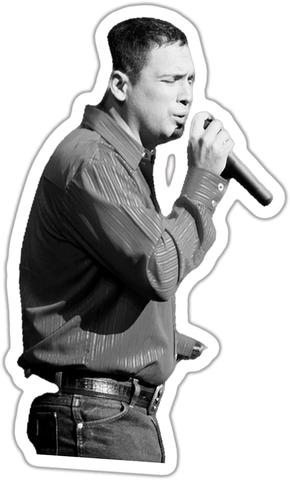
Image: Larry D. Moore, CC BY 4.0, via Wikimedia Commons (adapted)
Updated 4 November 2026
Use this case
The text is Creative Commons BY 4.0: you can use, adapt and share it, in a class, an article or a training, as long as you credit the source.
Mendonça, V. (2026). Talarico 2026: TikTok, faith and a Democratic win in Texas. DIY for Change. https://janonismo.com/en/playbooks/talarico-2026/ (updated 4 November 2026). CC BY 4.0.
Next playbook Field against super PACs
Related cases
Quinceañeras to Congress
A put-down became an invitation form and a party schedule
Elections
Open the case
Field against super PACs
Volunteers, livestreams and small donors vs. super PACs
Elections
Open the caseRecord money, mixed returns
Super PACs, outsourced canvassing, outside ads
The other side
Open the case


Glossary: Creator and influencer outreach, Short-form video